Uncoated Premium Natural White Card
THE SHORT ANSWER

Coated vs Uncoated Paper: What Is the Difference?

When choosing business card material, one of the first decisions is coated vs uncoated paper.

The difference is more than just how the card looks. The surface affects how the card feels, how colours are printed and even the overall character of your business card.

Art Card + Matt Lamination + Spot UV

Coated Paper: Smooth and Vibrant

Coated paper has a smooth coating applied to the surface of the paper. This creates an even surface for printing, allowing ink to sit more on top of the paper instead of being absorbed into it.

The result is sharper details, stronger colours and a smoother surface.

Our coated Art Card is available in 250gsm, 310gsm and 360gsm. It is a popular choice for business cards when you want your logo, photographs and brand colours to stand out clearly.

360gsm Natural White Card

Uncoated Paper: Natural and Tactile

Uncoated paper does not have the same surface coating. Instead, you can feel more of the natural texture of the paper itself.

Because the paper absorbs more ink, colours generally appear softer and more muted compared to coated paper. The surface also has a natural matt appearance, even without lamination.

Our uncoated materials include 250gsm S.Ivory White, 240gsm Fine Linen and 250gsm Champagne Frost. Each has its own texture and appearance, giving your business card a different character.
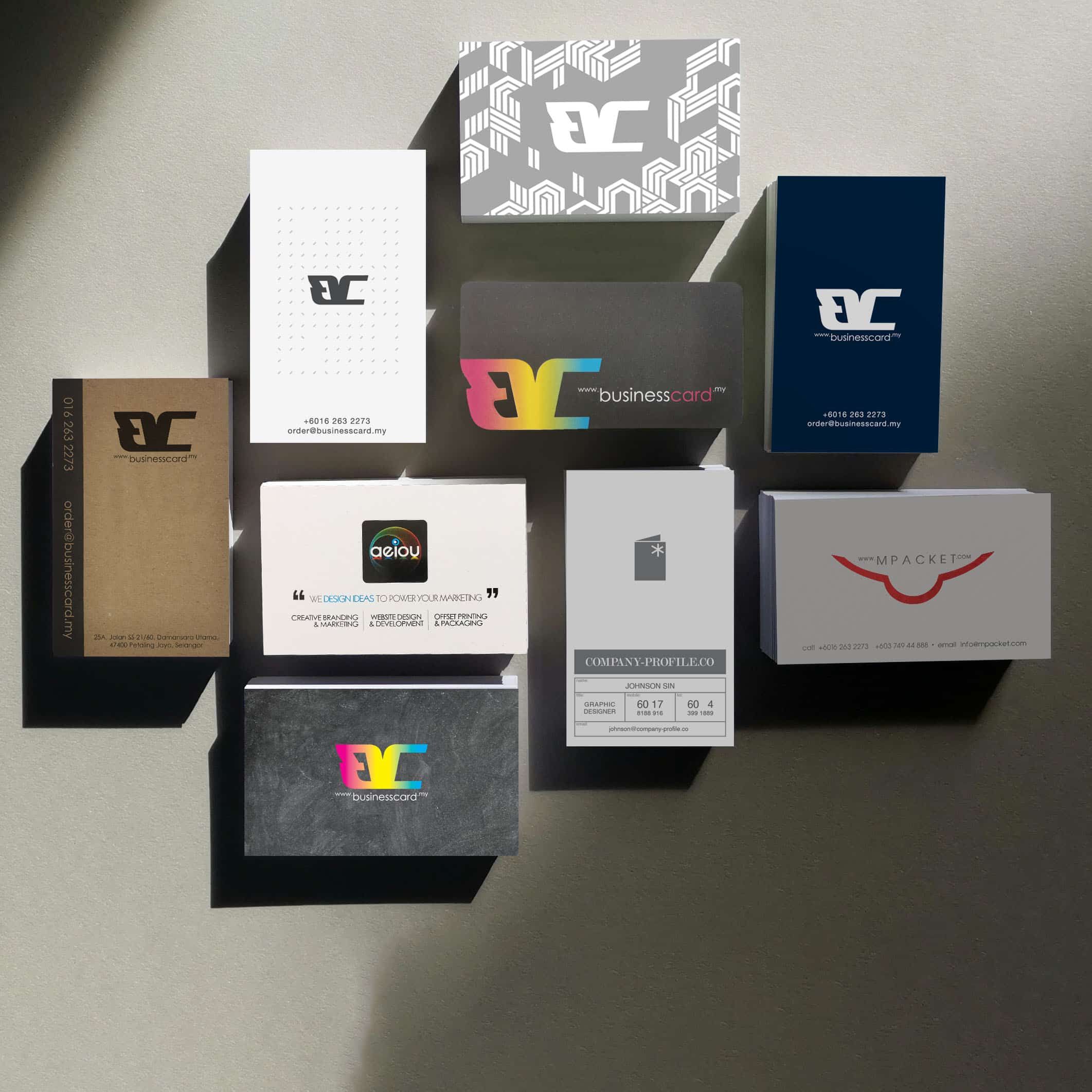
Coated vs Uncoated Paper: Various Business Card Types

Coated vs Uncoated Paper: How They Feel

This is one of the easiest ways to understand coated vs uncoated paper.

Coated paper feels smooth, even and polished. Run your finger across the surface and you get a consistent, silky feel.

Uncoated paper feels more natural and paper-like. Depending on the material, you may feel a fine texture or grain under your fingers.

With coated vs uncoated paper, neither is automatically better. They simply create a different experience.

What About Lamination?

Coated cards are generally more suitable for lamination because their smooth and even surface allows the lamination film to bond more consistently with the card.

Lamination can also be applied to some uncoated card stocks, especially those with a relatively smooth surface. However, textured materials may not be ideal for lamination. The uneven surface can leave small air pockets between the lamination film and the card, resulting in visible bubbles after lamination.

If you are considering lamination for an uncoated material, we recommend choosing a smooth uncoated card stock for a cleaner and more consistent result.

For suitable materials, you can choose from different lamination finishes such as Gloss Lamination, Matt Lamination and Soft Touch Lamination. For coated vs uncoated paper, each finish changes the look and feel of the final card.

Gloss lamination on a white business card

Gloss Lamination gives the surface a shiny finish and enhances colour vibrancy.

Matt lamination on a blue business card

Matt Lamination creates a smooth, non-glossy surface with a more understated appearance.

A matt, soft-feel business card surface

Soft Touch Lamination adds a smooth, velvety feel that is pleasant to touch.

Lamination can significantly change how coated vs uncoated paper appears and feels, so the final result depends on both the material and finishing.

Choose coated paper if you want:

Vibrant brand colours

Sharp graphics and photographs

A smooth and polished surface

A more conventional business card appearance

Choose uncoated paper if you want:

A natural paper feel

Softer, more understated colours

A tactile and textured surface

A more distinctive material character

At the end of the day, the choice between coated vs uncoated paper is not about which one is better. They simply give your business card a different look, feel and personality.

The right choice is the one that works best with your design, brand and the impression you want to create.

Ready to choose your card?

Compare coated vs uncoated paper in your hand, or start with a standard card and add finishing when you want more impact.